
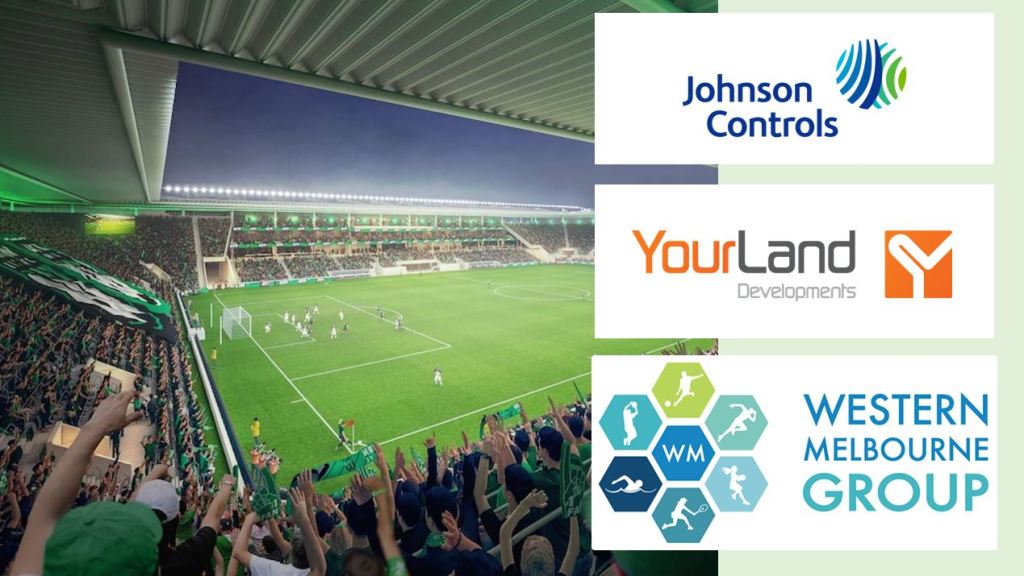
Western United have started the new year by providing an update on its stadium development. The club has announced that it expects to have completed its new Stadium based in Melbourne’s western suburbs by 2027. The club has also provided further details as to how this will come to be. It has announced that it has secured a $50m loan from Johnson Controls, a building technology group, and intends to use the funds to continue the project with the goal of having stadium foundations built some time in 2024.
The group behind the club is working with local council to also develop residential and commercial properties around the Stadium precinct. These residential and commercial properties will then be sold, with the proceeds used to construct the stadium. The media has reported the total project value remains around $2 billion. YourLand Developments has been announced as the group’s development partner.
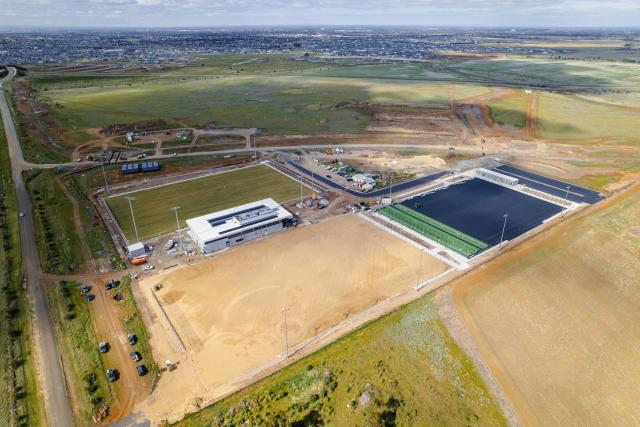
The club also announced its intention to host home games out of its training base some time in 2024. The training facility includes around 1,000 fixed seats and around 2,500 seats will be added via temporary grand stands. Hosting matches at the training facility will finally see the club play out of its intended heartland, something fans have been waiting for since the club’s inception in 2018.
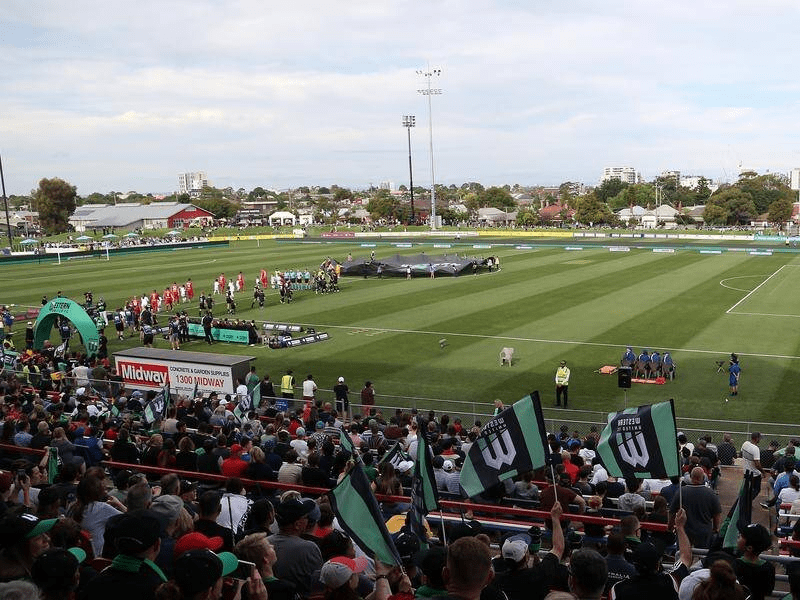
The announcement has been met by the boarder football public with a level of skepticism. Western United’s acceptance into the A-League has largely been off of the back of their stadium plans and the perpetual delays have frustrated the football community. The delays have also resulted in the club’s nomadic nature which has seen it use multiple training venues (of Caroline Springs George Cross, and Essendon Football Club) and multiple match day venues (AAMI Park, Kardinia Park, MARS Stadium, Whitten Oval) which are often inappropriately sized for the club’s small fan base. The club’s venue challenges have not helped the A-League’s reputation, so an appropriate stadium solution simply cannot come fast enough for many in the football community.
Some have patiently celebrated each of Western United’s construction updates citing the long term vision of the club as a valid generational play, however one must consider the ultimate implications of even a successful stadium build. Assuming the club’s announcements come to fruition, the club will boast the following:
- A 15,000 Stadium managed by the club
- A training venue managed by the club
- 100,000 people living in close proximity to the stadium
- Significant revenues from the sale of the residential and commercial properties in the precinct
These are all fantastic for the club and it’s investors, the projects will create services and job for an underinvested Western Region but what impact will this have on the A-League and football more broadly?
From an A-League perspective the Western United commercial product could improve. The optics of smaller stadiums are usually better for small crowds, and also create a better atmosphere. The culture and optics of a unique and exclusive home ground will also solve the reputational issues created by Western United’s nomadic existence. However a stadium alone will not bring new fans (Western Sydney Wander crowds have dropped slightly since moving to the new Western Sydney Stadium). Western United will still need to do significant engagement work to build out a sustainable and reputable fan base.
The location of the stadium in a new growth area will provide easy access to football for the 100,000 local residents of the precinct however it can also be argued that this isn’t the most efficient way of growing the game. Transport to the region is limited and more central locations can often capitalise on existing population bases as well transport links to further destinations. Locating a team in Geelong with its population of over 250,000 could have provided the Western Region a more impactful club it could be argued. Limited options of a new area will not be enough for Western United, the club will need to continue to engage with locals and will require a massively high conversion rate of locals to fans in order to generate a respectably large A-League fan base.
The alleged club owned status of the Stadium is also powerful but contrary to comments in the media, it will not be the first privately owned stadium in Australia. Melbourne Knights, a club located in the Western suburbs, already have access to a privately owned stadium however that status alone has not necessarily been fan winner or cash cow for the club. Stadium assets are not liquid, so unless Western United choose to sell off the stadium in the future the Stadium will only be profitable if they can get enough people through the gates and keep costs low. It does help them avoid counterparty risks, which has resulted in other A-League clubs experiencing weak stadium fee negotiating positions, however it comes with operational risk which requires greater staffing and expertise then ever before seen by any of the A-League clubs.
From the League perspective the Stadium is undoubtedly potential good news, but it is no silver bullet. The League has already experimented with boutique stadiums (Brisbane Roar at Dolphin Stadium, Sydney FC at Kogarah) and experienced mixed results. Although the eventual stadium construction should be welcomed it is becoming more and more clear that it is not the silver bullet it purported to be when Western Untied were initially given their A-League license over others.
There isn’t much for fans to do now but wait and see if Western United can realise their plans. The scale and difficulty of the project is something never before seen in the League and has so far come at great cost, reputationally to the league, testing the patience and trust of supporters, and even financially straining the Western United owners. Should the investment come good though each of these groups will see an upside but at this point it appears the potential $2 billion upside will be enjoyed by the Owners, Johnson Controls and YourLand Developments. Without continued club development work from Western United it appears unlikely that football community will be able to call this challenging emotional investment worthwhile.


 The Beautiful Game