
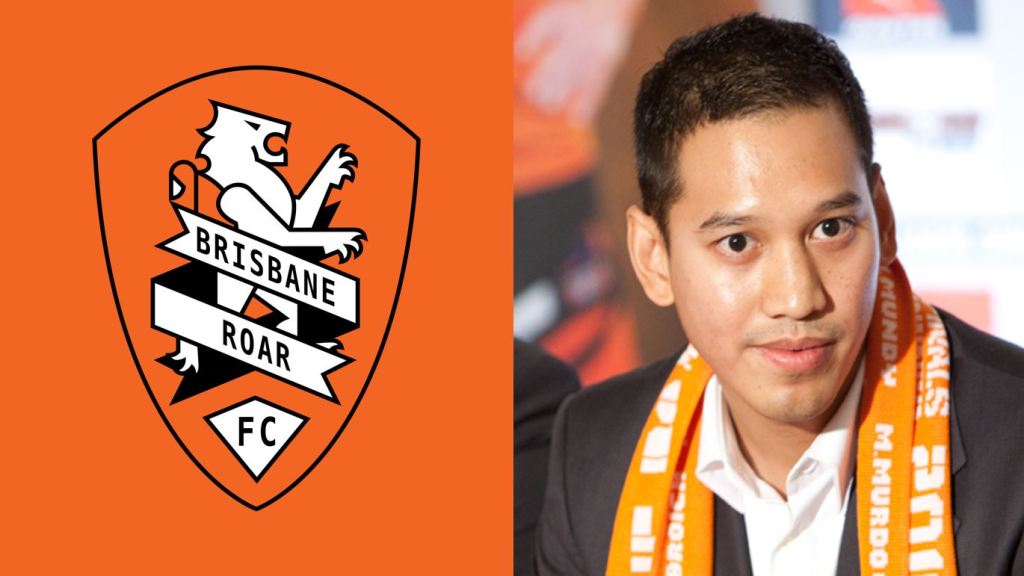
In 2005 the Queensland Roar was founded to participate in the new A-League competition. The Queensland Lions Soccer Club were the team’s first owners after being awarded the licence from Football Federation Australia. As a result of their entry into the A-League, the Queensland Lions withdrew their senior men’s team from local competition.
By 2009 Queensland Roar was owned by a number of parties.
- 30% was owned by Coffee Club pair Emmanuel Drivas and Emmanuel Kokoris
- 15% was owned by Luxury Paints duo Claude and Serge Baradel
- 25% was owned by the board.
- 15% was owned by founding CEO Lawrence Oudendyk
- 15% was owned by Rob Jones and Rob Jansen
It is understood that the Queensland Lions had divested themselves from the club due to financial pressures. A new ownership structure was eventually secured with Emmanuel Drivas, Emmanuel Kokoris, Claude Barade, and Serge Barade ultimately taking over full ownership of the club, better placing the club to withstand financial pressures.
In 2011 the FFA took control of the club after the existing ownership group handed back their licence following financial losses.
In 2011 the Bakrie Group, an Indonesian industrial conglomerate, purchased a 70% share in the Brisbane Roar, with the FFA retaining a 30% share. In 2012 the Bakrie Group acquired full ownership of the club.
In 2015 the Bakrie Group was threatened with the removal of their licence by the FFA due to financial problems at the Brisbane Roar. In 2016 the Bakrie Group were reported to have agreed to sell the club but ultimately retained ownership. In 2019 the Bakrie Group rejected an $18m offer to buy the club.

Insights
Brisbane Roar is a unique example of a former ethnically aligned club being involved in its formation. Dutch origins are reflected in the club’s Lion symbolism and orange team colour. Despite this, the club had been generally well supported and welcomed in the community, although there was some surprise at the time that the original A-League position wasn’t occupied by the Brisbane Strikers. Unlike the Brisbane Strikers however, the Brisbane Roar were not founded with, nor have developed sufficient access to a home ground. This has caused financial burdens early in its history and operational challenges more recently.
Financial challenges have been a common theme for the club, and have led to the demise or seriously threatened all ownership structures. Early support from local business people with a genuine interest in soccer is evident. Coffee Club and Luxury Paints aligned former owners continued to support the club long after their ownerships concluded.
The challenges with the Bakrie Group owners have been well documented. Despite their significant size the club has dealt with consistent financial challenges, poor relationship management, multiple court cases from unhappy counterparties and has been unable to secure a functional long term training arrangement. Perceived underinvestment and management of the club has contributed to poor supporter engagement. It should be noted at the early stages of their Investment, the Bakrie Group also had interest in the Belgian Football Club C.S. Visé, although they divested this interest in 2014.
Limitations and considerations
The process of divestment from Queensland Lions Soccer Club is unclear. The divestment from the board, Lawrence Oudendyk, Rob Jones and Rob Jansen is also unclear.
The reasons for the Bakrie Group investment into Brisbane Roar are unlcear.
It is possible the ownership research presented is incomplete. The nationalities of public owners does not necessarily reflect the commercial ownership structure of Brisbane Roar.


 The Beautiful Game