
In 2004 Soccer NSW made a bid for a license in the inaugural A-League season. Their bid comprised a Western Sydney based team to be based out of Parramatta Stadium. Soccer NSW eventually walked away from their bid which was to become Sydney FC.
In 2008 the FFA looked to expand the A-League competition into new areas including Western Sydney. A bid under the name Sydney Rovers was made but after the consortium lost their financial backing the bid fell over.
In 2012 FFA revoked the licence of Gold Coast United, which left the A-League with only nine clubs to compete in the following season. In order to bring the competition to ten teams the FFA looked for a new club.
In 2012 the FFA decided to launch a club itself after finding no appropriate financial backer. After securing an investment from the Federal Government the FFA moved ahead to establish a club in Sydney’s West.
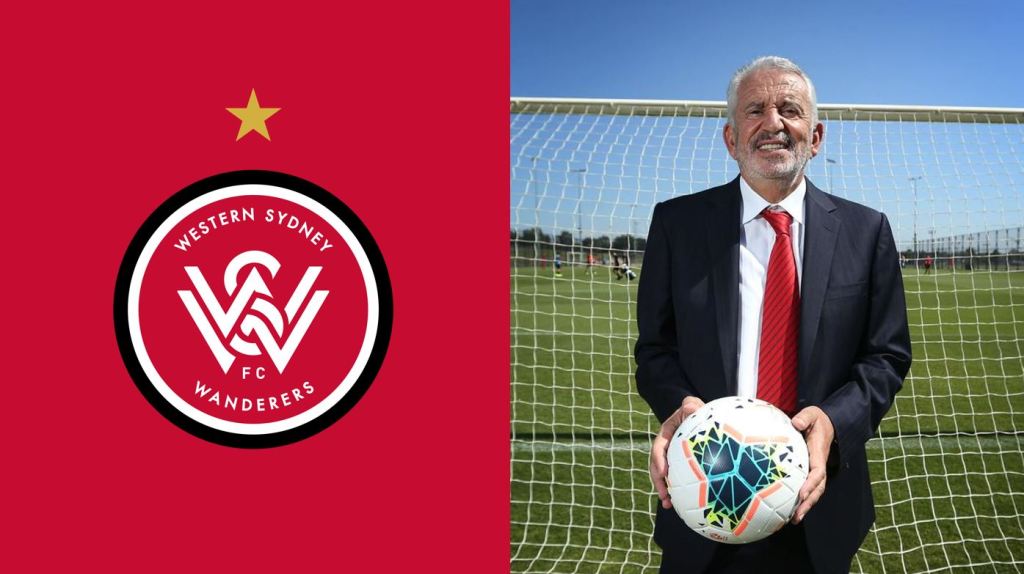
In 2012 Western Sydney Wanderers were launched and formally joined the A-League.
In 2014 the FFA sold the club to a consortium of Paul Lederer, Jefferson Cheng, Glenn Duncan and David Slade were part of the consortium of owners

Insights
Western Sydney is Australia’s football heartland and after many false starts, the birth of the Wanderers has proven to be a watershed moment for the League and the realisation of the best the A-League has to offer. The instant success of the club, including record attendances, a premiership and Asian Champions league made the club one of the jewels of the League and helped realise for the FFA a quick return on investment.
One interesting dynamic that has played out is the frequency of which the area has been overlooked, adding to the story of the team. The original Soccer NSW bid was rejected in favour of ‘East’ Sydney, the subsequent Rovers bid failed to secure investment, the following FFA attempts to find a bidder proved futile. It appears no one had money for the area, that was until the Federal Government funding, partly a social investment, gave the club the green light to get started. Its eventual acquisition by a billionaire with a bone to pick against the establishment (in the form of Lederer’s role in making the A-League independent of the FFA, and somewhat the Lowy’s) as well as a coach in the media espousing more claims of unfair treatment (in the form of Marko Rudan) shows the underdog complex of this team runs deep in its DNA.
Limitations and considerations
Information has been accumulated based on publicly available reports and may not be entirely correct.


 The Beautiful Game