

Australia is likely to host the 2026 Women’s Asian Cup, as reported by the Financial Review, after Saudi Arabia and Pakistan both pulled out of the bidding process. The event will come just a few years after hosting the culturally and financially successful Women’s World Cup, but this time Football Australia will likely face a very different set of pressures.
Managing tournament expectations
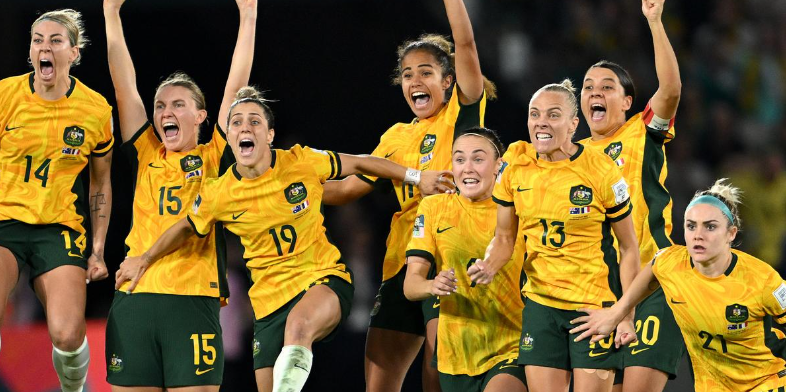
The Women’s World Cup rights were sold for a song. Initially a free to air television deal was not even looking likely and Channel 10, (the A-Leagues’ $200m broadcast partner) balked at securing the rights for a mere $4m. However Optus Sport’s need for a free to air broadcast partner ultimately ended with Channel 7 securing the rights on the cheap. The ratings would go on to break Australian television records and the rest is history.
No such sales issues are expected this time, but what helped make the Women’s World Cup so special was partly it’s surprise factor to the mainstream media. The Asian Cup will not enjoy this surprise factor, and is likely to be benchmarked against the runaway successful Women’s World Cup. Football Australia needs to manage these expectations in the wider community, noting the tendency of the mainstream media to quickly turn on the sport.
The Women’s Asian Cup is simply not as big as the World Cup, it will not engage the same sets of foreign communities or even the football community in the same way, even if it is a success. This is evidenced by the fact that the Socceroos’ winning the Asian Cup was not as culturally relevant as the team making the World Cup knockouts for mainstream Australia, Football Australia must manage the risk of the Asian Cup being dismissed by the mainstream, especially if they compare it to the previous Women’s World Cup.
Managing Matildas expectations
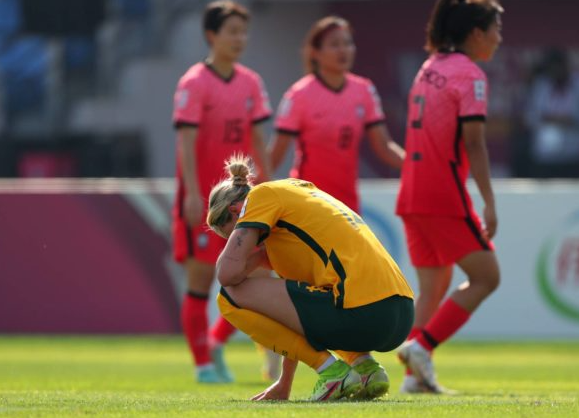
The Matildas are officially Australia’s favourite team, which was the case ahead of the Women’s World Cup. This means the Women’s Asian Cup will be an excellent chance to re-engage a massive casual fan base, but also means there will be more sensationalism and click bait about the team. Paired with on-field pressures this could create a toxic set of expectations and public discourse.
Unlike the World Cup, the Matilda’s are a far greater chance to win the Asian Cup, and will likely be under far more pressure to do so. In a culture used to winning in smaller colonial sports like Netball and Cricket, Australia is more dismissive of teams that fail to go all the way, and warped expectations about the Matilda’s abilities differ somewhat from reality. Not only is the team facing larger and rapidly improving competition, but their recent results haven’t confirmed their place as world beaters as of late.
2026 is still a while off but Football Australia will need to manage these on-field expectations as well as to try an control a media narrative outside of their regular ecosystem. Everyone from talk back radio to the Herald Sun will be behind the Matildas when things are going well, but these historically football-hostile outlets will be quick to turn if they sense blood in the water and the Matilda’s don’t win the tournament.
Managing the legacy of the tournament
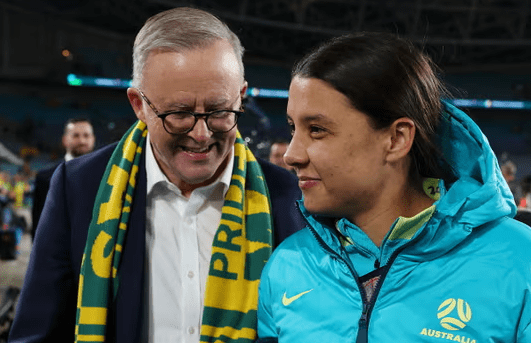
Although Football Australia had improved on their 2015 Asian Cup legacy planning, by forming a legacy plan for the Women’s World Cup, many lessons are still being learnt. Their legacy group comprising of media and political personnel certainly got the Matilda’s and Football’s story into the mainstream. It even helped secure some major funding including for the State Football Centre in Victoria. However despite the network being formed, there were issues in the funding legacy of the tournament.
This included a lack of attention in Queensland, despite the upcoming Brisbane Olympics and then-Premier Annastacia Palaszczuk being a member of the Legacy team. Issues also surrounded $200m in Federal funding which was not actually committed to Football. Many other codes actually used the Matilda’s success in their own funding announcements which left some football fans gobsmacked. Ironically at the grassroots level, the legacy has been strong with a huge surge in female football registration. This however has exacerbating existing facility issues for female football.
Other grassroots impacts included a surge in the number of fans. This wasn’t entirely great as the Women’s World Cup did see a clash of cultures between new and old fans, as well as significant numbers of bandwagoners who stopped following the team after the tournament. The latter fact made painfully clear by jokes in the media, including by an off colour joke from comedian Tom Ballard about his lost Matilda’s scarf.
Ahead of the Women’s Asian Cup Football Australia will need to improve on its ability to capture new fans (perhaps through increased collaboration with the A-League Women’s) as well as ensure the groundswell of playing numbers, and support are used for football funding and not for other sports.
Overall
The possibility of hosting a Women’s Asian Cup in Australia is awesome. Just as the Women’s World Cup saw increased exposure, commercial investment, and grassroots participation, the Women’s Asian Cup should be expected to do the same. However against a backdrop of increased expectations, a larger audience and a less marketable tournament Football Australia face new challenges with the Women’s Asian Cup. Following on from their Women’s World Cup legacy plans as well, the governing body must ensure they have learnt their lessons.


 The Beautiful Game